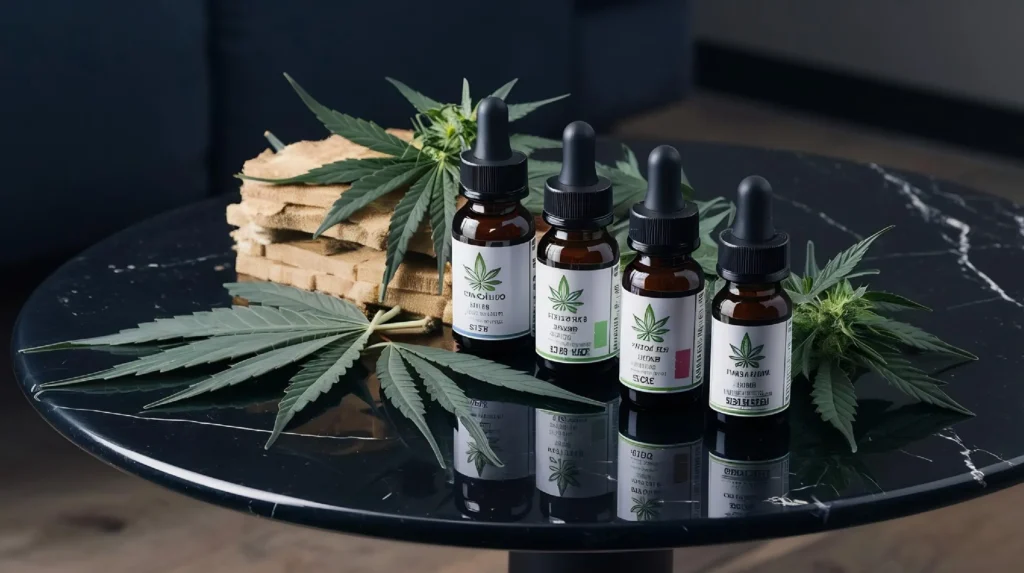
Cannabis-derived products represent one of the most significant regulatory challenges currently facing the pharmaceutical industry. The approval by the U.S. Food and Drug Administration (FDA) of cannabis-derived medicines such as Epidiolex, Marinol, and Syndros for the treatment of certain severe forms of epilepsy in pediatric patients, as well as for the treatment of anorexia, constitutes a clear example of the growing interest in and therapeutic potential of cannabinoids in modern medicine.
In Colombia, the evaluation and authorization of finished products containing psychoactive cannabis fall under the responsibility of the National Institute for Food and Drug Surveillance (INVIMA), the authority responsible for verifying their quality, safety, and efficacy, as well as determining the conditions governing their marketing and dispensing. Under the applicable regulations, cannabis is primarily regulated according to its tetrahydrocannabinol (THC) content and is classified into two categories:
- Psychoactive cannabis, with a THC content equal to or greater than 1% on a dry-weight basis.
- Non-psychoactive cannabis, with a THC content of less than 1% on a dry-weight basis.
The same classification applies to cannabis derivatives, such as oils, resins, extracts, tinctures, and other preparations. Derivatives with a THC content equal to or greater than 1% are considered psychoactive, whereas those with a THC content below 1% are classified as non-psychoactive.
Non-psychoactive cannabis derivatives have important applications in the cosmetics industry, where they may serve as skin-conditioning agents, antioxidants, emollients, and for other cosmetic purposes. However, for these ingredients to be accepted by the Colombian health authority, they must be included in internationally recognized lists and databases, such as those of the Personal Care Products Council (PCPC), CosIng, or other equivalent sources.
By contrast, psychoactive cannabis-derived products are primarily intended for medical and scientific purposes, and their development, manufacture, and commercialization are therefore subject to a stricter regulatory framework.
With respect to finished products, namely those containing psychoactive cannabis, they are intended exclusively for authorized medical uses and may require a medical prescription for their commercialization. In contrast, finished products made with non-psychoactive cannabis are not subject to the same restrictions and may be marketed in accordance with the regulatory requirements applicable to their respective product category.
In conclusion, the growing global interest in and acceptance of cannabinoid-based products raises significant regulatory challenges. Health authorities, industry stakeholders, and healthcare professionals face the challenge of striking a balance between expanding access to these alternatives and ensuring that they meet the necessary requirements for safety, quality, and efficacy in order to protect patients’ health.